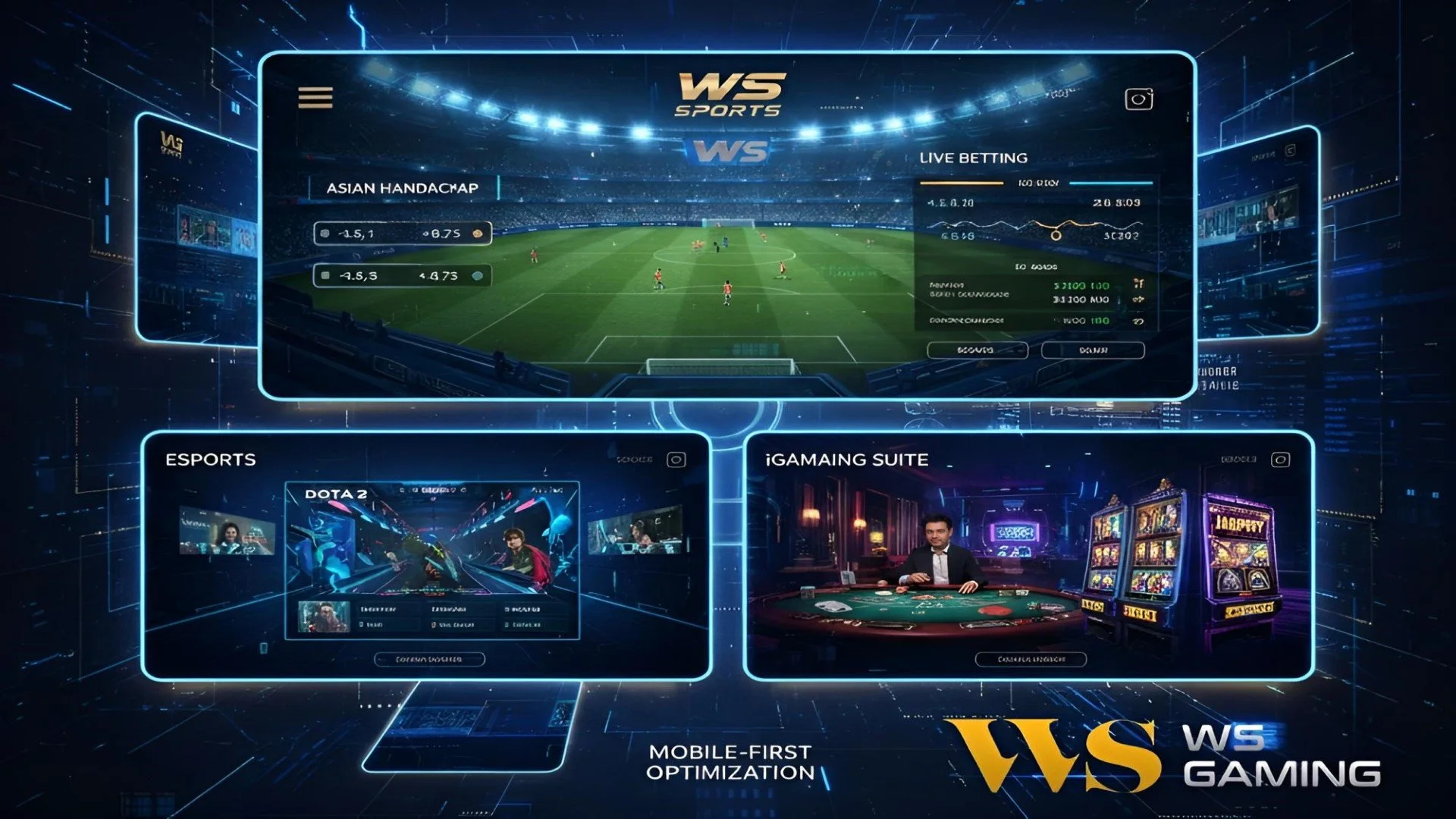
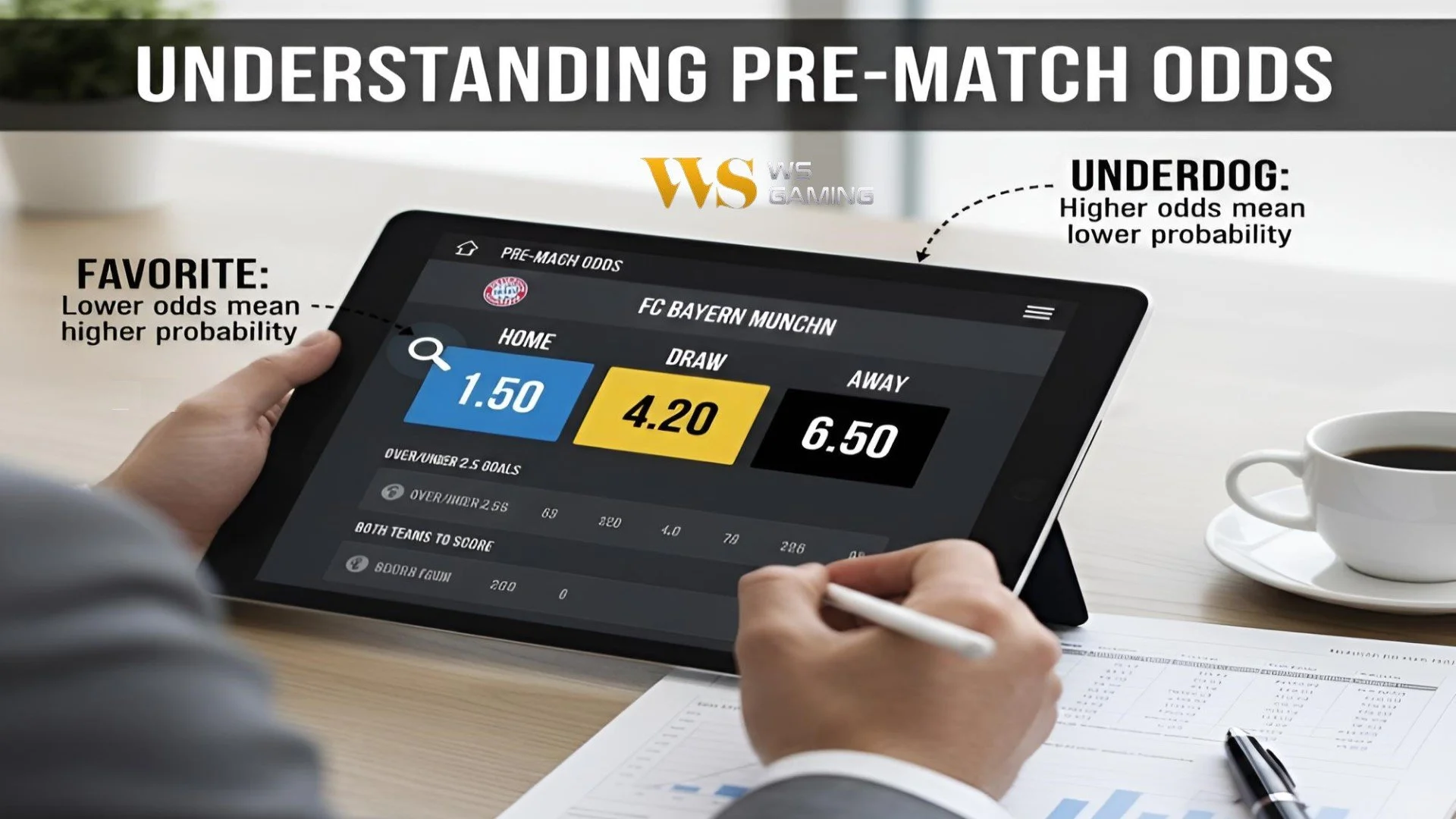
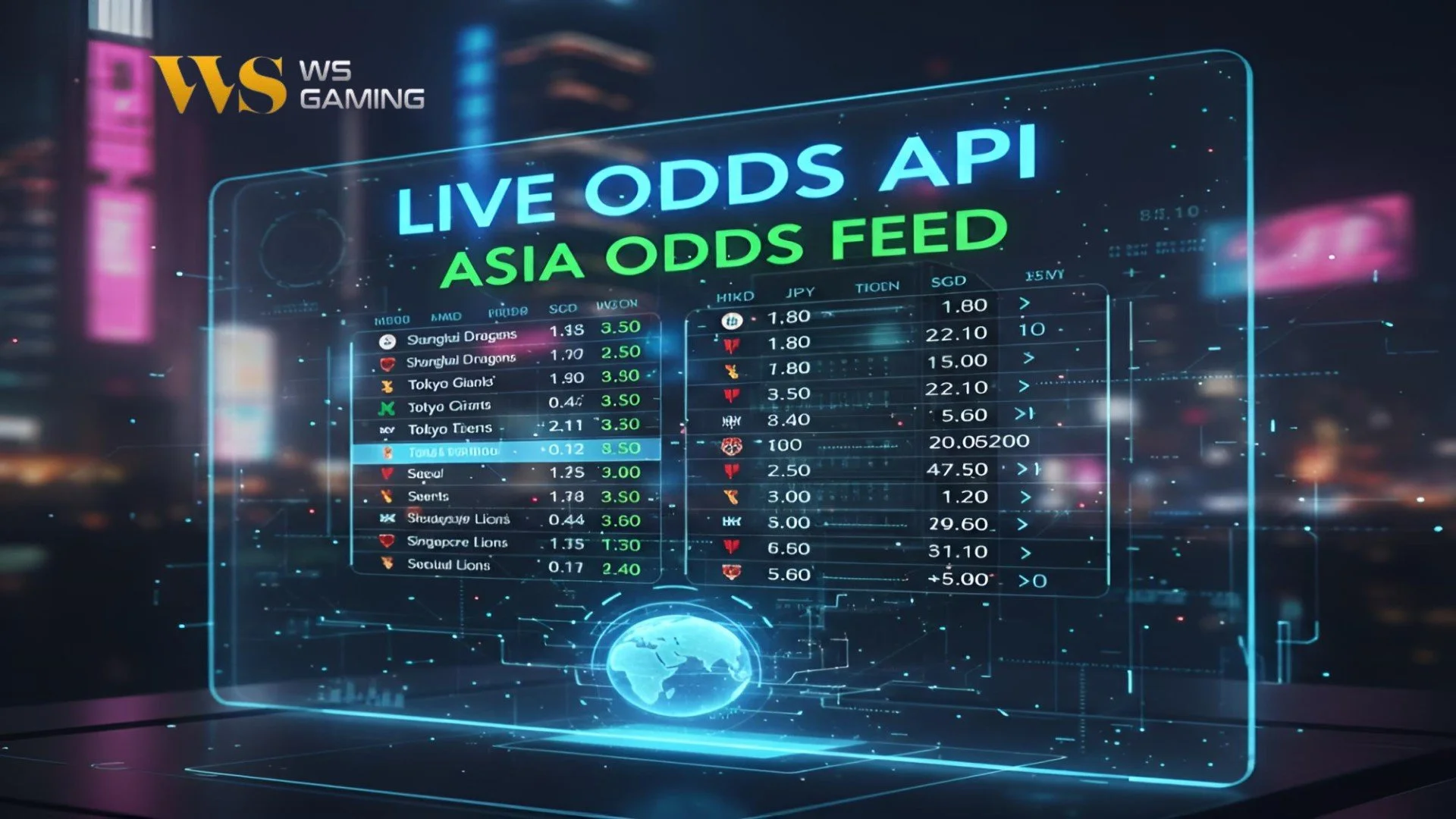
The global sports betting landscape is undergoing a dramatic transformation, moving at the speed of a fiber-optic cable. At the heart of this revolution is the Live Odds API, the technological backbone that feeds billions of real-time price updates to sportsbooks, affiliate sites, and media platforms worldwide. For any iGaming operator aiming for true global scale, the choice of a data provider is the single most critical decision. It’s a decision that dictates not only platform stability and user experience but also profitability and access to the world’s most dynamic and high-stakes market: Asia.
While many providers offer generic global coverage, strategic growth hinges on a localized data strategy. This comprehensive guide details why selecting a premium Live Odds API with specialized, low-latency, and high-coverage Asia Odds feed is not just an advantage—it is an absolute necessity for achieving exponential, long-term growth in the iGaming sector.
The Technical Imperative: Speed, Scale, and Reliability
A Live Odds API is essentially a real-time data stream that delivers crucial betting information—pre-match, in-play (live), and outright odds—from various bookmakers or a central trading desk to the operator’s platform. In the world of live betting, where odds can shift instantly based on a single point scored, a card shown, or a momentum change, the technical performance of the API is paramount.
Sub-Second Latency: The Decisive Factor
Latency, the delay between an event happening in the real world and the odds reflecting that event on a user’s screen, is the most crucial metric.
- The In-Play Challenge: Live betting, or in-play betting, is now the dominant revenue driver for many sportsbooks. In a high-stakes football match, a one-second delay can expose the operator to significant liability (stale odds) or result in a poor user experience, leading to missed bets and user frustration.
- The Standard: A top-tier Live Odds API must aim for sub-500ms response times, often achieved through optimized data pipelines utilizing WebSockets or push notifications instead of older, slower polling methods. This ensures data is pushed instantly to the platform, guaranteeing near real-time synchronization.
Robustness and Scalability
A reliable provider must guarantee an uptime of 99.9% or higher. Major sporting events, such as the World Cup, a major regional cricket tournament, or the NBA finals, create massive spikes in traffic and data volume. The API infrastructure must be horizontally scalable—capable of automatically adding server resources to handle extreme load without performance degradation. Failover mechanisms and redundant server clusters are non-negotiable features for maintaining continuous service and protecting revenue.
Developer-Friendly Integration
Ease of integration significantly affects time-to-market. A superior Live Odds API will offer:
- Standardized Data Formats: Consistent market identifiers, unified event IDs, and clear support for common odds formats (decimal, fractional, American).
- Comprehensive Documentation: Clear guides, error code definitions, and real-world response examples for faster onboarding.
- Full Endpoint Coverage: Access to pre-match, in-play, and historical data across an extensive range of sports, leagues, and betting markets, including regional-specific variants like Asian Handicap lines.
The Global Shift: Why Asia is the New iGaming Epicenter
While Europe and North America remain lucrative, the sheer volume, velocity, and untapped potential of the Asian market make it the undisputed frontier for global iGaming expansion. The Asia Pacific sports betting market is projected to reach over $60 billion by 2030, expanding at a robust CAGR of over 11%. This growth is driven by a powerful confluence of demographic, technological, and cultural factors.
Demographic & Technological Drivers
- Massive Population & Mobile Penetration: Asia is home to over 60% of the world’s population, with mobile internet penetration rapidly surpassing 70%. In markets like India and Southeast Asia, betting is overwhelmingly mobile-first, demanding platforms optimized for portrait mode and low-bandwidth performance.
- Rising Disposable Income: A growing middle class in markets like China, India, and Vietnam is leading to increased demand for entertainment, including sports betting.
- Cryptocurrency Adoption: The rapid adoption of digital currencies for transactions on iGaming sites is particularly pronounced in Asia, offering speed, anonymity, and lower fees that appeal to regional bettors.
Cultural and Sports Preferences
The Asian sports betting market is not a homogenous entity; it is defined by unique cultural preferences and dominant sports that require specialized data coverage:
- Football (Soccer): Universally popular, often commanding the largest market share.
- Cricket: Dominant in South Asia (India, Pakistan, Bangladesh), driving enormous betting activity during major events like the IPL or World Cups.
- Horse Racing: Culturally significant in regions like Japan and Hong Kong, often holding the largest revenue share in specific countries.
- Esports: Asia contributes over 54% of global Esports betting revenue, making it a defining market for titles like Mobile Legends (MLBB) and various FPS/MOBA games.
Any operator targeting this high-growth region cannot rely on a generic feed. They must specifically integrate an Asia Odds feed that captures these regional nuances.
The Strategic Advantage: Why an Asia Odds Feed is Essential for Growth
A specialized Asia Odds feed differentiates a standard sportsbook from an industry leader by unlocking market access, optimizing risk, and driving localization.
1. Superior Coverage of Regional Leagues and Markets
A standard European or American feed will cover the English Premier League or the NBA exhaustively but will miss the crucial, high-volume regional action. An Asia Odds feed ensures coverage for:
- South Asian Cricket Leagues: The Indian Premier League (IPL) and regional T20/ODI competitions.
- Asian Football Confederations (AFC): Leagues from Japan, South Korea, China, and Southeast Asia.
- Niche Markets: Specific esports tournaments and local basketball/baseball leagues that drive significant regional engagement and revenue.
2. Specialized Odds Formats and Market Types
Asian bettors have distinct wagering preferences, primarily revolving around handicap betting.
- Asian Handicap Lines: This form of betting, where a handicap is applied to the team considered superior, is foundational to Asian wagering culture. A reliable WSGaming Asia Odds feed must provide accurate, fast, and comprehensive Asian Handicap lines (e.g., quarter lines like $\pm 0.75$), which are often managed by specialized, high-volume Asian bookmakers.
- Over/Under Totals: Asian bettors often focus heavily on totals markets. The feed must provide deep market depth for these specific bet types.
Failing to offer these markets means alienating the core Asian user base, effectively placing a ceiling on growth.
3. Access to Sharper Prices and Volume
The Asian market is renowned for its high betting volume and sharp, competitive odds. Many Asian-facing bookmakers are the primary source of the sharpest or most accurate market prices globally. Integrating an Asia Odds feed gives the operator:
- Better Benchmarking: The ability to benchmark their own odds against the fastest, most professional trading operations in the world, allowing for better risk management.
- Increased Liquidity: Access to a wider range of prices and liquidity, which is crucial for high-roller Asian bettors who place large wagers.
4. Localization for User Trust and Retention
Localization goes beyond translating the user interface. It’s about cultural relevance. An Asia Odds feed provides the data to power localization:
- Vernacular UI: Presenting regional team names, player names, and league acronyms correctly.
- Regionally Relevant Content: Integrating local event schedules, real-time local statistics, and even popular live-dealer casino games (like baccarat, which holds cultural significance) alongside the sports offering. This holistic approach, powered by tailored data, is crucial for improving user trust and retention rates.
Selecting the Right Live Odds API Provider: Due Diligence
Choosing the right Live Odds API is a long-term strategic partnership. The evaluation process must be rigorous, focusing on the provider’s capabilities in the context of your growth strategy—specifically, the Asian market.
Core Technical Criteria
| Feature | Importance | Detail |
| Data Latency | Critical | Must offer a WebSocket feed with sub-second (ideally 200ms) data delivery for live odds. |
| Uptime & Redundancy | Critical | Guaranteed 99.98% uptime with failover systems to handle market volatility and data source outages. |
| API Format & Docs | High | REST for pre-match, WebSocket for in-play. Clear, structured, and consistent JSON/XML formats. |
| Market Depth | High | Must cover main lines (Moneyline, Spreads, Totals), Player Props, and Outrights. |
Asia-Specific Growth Criteria
| Criterion | Asia Odds feed Requirement | Impact on Growth |
| Regional Coverage | Dedicated feeds for IPL, KBO, J-League, Vietnamese/Philippine Leagues, and major Esports events (Dota, MLBB). | Unlocks major revenue streams outside of peak European hours. |
| Betting Market Types | Specialized support for Asian Handicap and Quarter/Half-Betting lines. | Caters to the primary betting style of high-volume Asian bettors. |
| Data Source Aggregation | Aggregation from top-tier, sharp Asian bookmakers (often known only regionally). | Provides the sharpest, most accurate market prices for optimal risk management. |
| Localization Support | API fields that allow for the correct presentation of regional vernacular, time zones, and odds formats. | Drives user engagement and trust through a native-feeling experience. |
Pricing and Support Models
A high-volume operation will likely require a paid API service, as free or inexpensive APIs often suffer from delayed data, limited coverage, and poor reliability. Look for providers that offer a flexible, volume-based pricing model and 24/7 technical support to manage real-time issues, which are inevitable in a high-speed trading environment.
Future-Proofing Your Platform: The Data Ecosystem
The modern Live Odds API is part of a larger data ecosystem. Selecting a provider that integrates complementary data products can significantly future-proof your platform.
- Complementary Data Feeds: Beyond odds, a truly robust API should offer integration with live scores, detailed match statistics, and player injury/lineup information. This contextual data is essential for building rich, engaging front-end user experiences that encourage higher betting volume and retention.
- AI and Analytics Integration: High-quality, standardized data from a reliable Asia Odds feed serves as the foundation for modern trading tools. Operators can use this data to feed their own internal algorithmic trading systems, enhance risk management models, and deploy predictive analytics to generate custom, profitable betting lines. This capability is paramount for competing with the largest global sportsbooks.
- Regulatory Compliance: The regulatory environment in Asia is fragmented and complex. A reputable Live Odds API provider will ensure their feed’s data, particularly in regulated markets, adheres to necessary compliance standards, minimizing legal risk for the operator.
Conclusion
The selection of a Live Odds API is the foundational step for any ambitious iGaming or sports betting business. While speed and reliability are table stakes for any global operation, achieving transformative growth requires a nuanced, regional approach. The Asian market, with its explosive growth, unique betting culture, massive mobile user base, and preference for specialized markets like the Asian Handicap, demands a dedicated data solution.
An operator who fails to prioritize an Asia Odds feed risks being locked out of the world’s most significant growth market, struggling with stale odds, and offering a non-localized experience that drives users to competitors. By investing in a best-in-class Live Odds API that includes deep, low-latency, and culturally-relevant Asian market coverage, operators are not just buying data—they are securing their pathway to global dominance and long-term, sustainable growth. The future of WSGaming.com iGaming revenue is in the East, and the key to unlocking it is a superior Asia Odds feed.
Frequently Asked Questions (FAQ)
The most important feature is sub-second latency, specifically the use of WebSockets or push notification technology. This is essential to ensure that the odds on the user’s screen are updated almost instantaneously after a real-world event (like a goal or a foul), which minimizes the operator’s liability from stale odds and provides the best user experience.
An Asia Odds feed is essential because the Asian market is the fastest-growing and largest regional market by volume and future revenue projection. It is necessary to cover Asian-specific betting markets (like Asian Handicap) and regional sports/leagues (like the IPL or J-League) that are often missed by generic feeds, directly tapping into the highest-volume bettor demographics.
Asian Handicap is a form of betting that eliminates the draw outcome, applying a handicap (points or goals advantage/disadvantage) to the teams. It is the dominant and culturally preferred betting type in Asia. An Asia Odds feed must support this, including quarter lines (e.g., +0.25, -0.25, +0.75, -0.75), to be relevant and competitive in the region.
Latency directly affects profitability by increasing financial risk (liability). If the odds feed is slow, the sportsbook might accept a bet on an event that has already occurred or changed (a “stale price”). This can lead to losses, especially with high-volume bettors. Low latency is a direct measure of risk mitigation and a driver of platform stability.
Key non-odds data points include real-time live scores, detailed match and player statistics (e.g., shots on target, possession, injuries), and historical data. These elements are vital for building engaging front-end content, enabling richer user analysis, and providing the necessary context for users to place more bets.
The mobile-first nature of the Asian market demands a Live Odds API that is built for speed and efficiency (low bandwidth usage). The data must be delivered via WebSockets to minimize data consumption and latency on mobile networks, and the API’s data structure must be light and easily digestible to ensure fast rendering on mobile apps and browsers.
Data standardization is crucial for operational efficiency. When integrating an Asia Odds feed alongside other regional feeds, standardization ensures that all data, regardless of the source bookmaker, uses consistent identifiers for events, teams, and markets. This prevents bugs, speeds up front-end development, and simplifies the operator’s risk management and settlement processes.
Sharp bookmakers in the Asian market are known for having highly efficient trading teams that set the most accurate market prices based on global betting action. An Asia Odds feed aggregating these sources provides the sportsbook with the best real-time benchmark price. This allows the operator to quickly adjust their own odds, reducing the chance of offering significantly mispriced lines that can be exploited by professional bettors.
Horizontal scalability is a greater concern because of the massive, synchronous betting peaks during major regional events, such as the IPL in India or major Esports tournaments. These events can generate traffic volumes far exceeding typical European or American league matches, requiring an API infrastructure that can instantly scale up to prevent service downtime and handle the colossal surge in requests.
The business case is strong because Asia contributes over 54% of global Esports betting revenue. By integrating a dedicated live Esports feed into their Live Odds API, the sportsbook gains access to a lucrative, younger demographic, diversifies its product offering, and capitalizes on one of the fastest-growing vertical markets in the entire iGaming industry.