The white label iGaming model is a game-changer, offering entrepreneurs a fast, cost-effective, and fully licensed path to market entry. By utilizing a pre-built platform, operators can bypass the lengthy and costly process of developing software from scratch. However, in an industry saturated with hundreds of brands using the same underlying technology, merely launching a white label casino is not enough. The key to long-term success, differentiation, and building a sustainable player base lies in the investment in custom branding and superior UI/UX design. These elements transform a generic template into a powerful, recognizable, and highly engaging consumer product.
Moving Beyond the Generic: The Power of Custom Branding
A white label iGaming platform provides the engine, but custom branding provides the soul. It is the visual identity, the tone of voice, and the emotional connection that distinguishes one brand from its competitors. Without a distinct brand identity, a new operator risks becoming just another face in the crowd, relying solely on short-term bonuses to attract players—a highly unsustainable strategy.
1. Building Trust and Credibility
In the online gambling world, trust is the most valuable currency. A generic, default-looking website often raises immediate suspicion in a player’s mind: “Is this site legitimate? Will I actually get my winnings?” A professionally designed, unique brand signals that the operator has invested significant capital and effort into the product. This immediate visual credibility, stemming from a well-chosen logo, cohesive color palette, and bespoke graphics, is essential for converting initial interest into a first deposit. Custom branding helps build the foundational layer of player trust.
2. Differentiation and Memorability
The most successful white label gambling operations are those that carve out a unique niche. Custom artwork, unique mascots, and a compelling theme (e.g., space adventure, ancient civilization, rock ‘n’ roll) create a memorable brand experience. When a player has a positive session, they are far more likely to return to “The Viking Casino” with its themed loyalty program and unique visuals than to “Casino Site #5.” White label solutions customization allows an operator to move away from template parity and establish a distinct identity that drives long-term recall and reduces reliance on expensive paid advertising.
3. Enhancing Marketing Effectiveness
A strong brand is a marketing multiplier. Eye-catching, branded creatives perform significantly better in advertising campaigns. A clear and unique visual identity enables more focused and effective SEO content, affiliate marketing materials, and social media outreach. The brand story and visual aesthetic become the core selling points, supporting efforts to acquire new players and increasing the overall effectiveness of your iGaming marketing strategy.
UI/UX: The Engine of Player Retention
While custom branding gets a player to click the ad and register, it is the User Interface (UI) and User Experience (UX) that determine whether they stay, deposit, and become a long-term, high-value customer. In the white label iGaming context, UI/UX design focuses on the architecture and usability of the platform.
1. Seamless User Journey and Conversion
A well-optimized UX minimizes friction at every critical touchpoint:
Registration: An intuitive, two-step sign-up process with clear calls-to-action significantly boosts user conversion rates.
Game Discovery: Excellent UI/UX is critical for navigating a huge game library. Features like personalized game recommendations, fast-loading filters, and category groupings ensure players find their preferred iGaming content quickly.
Payments: A clear, secure, and rapid cashier flow is non-negotiable. Poor UX in the deposit or withdrawal section can be a fatal flaw, leading to immediate player churn.
2. Optimizing for Mobile Experience
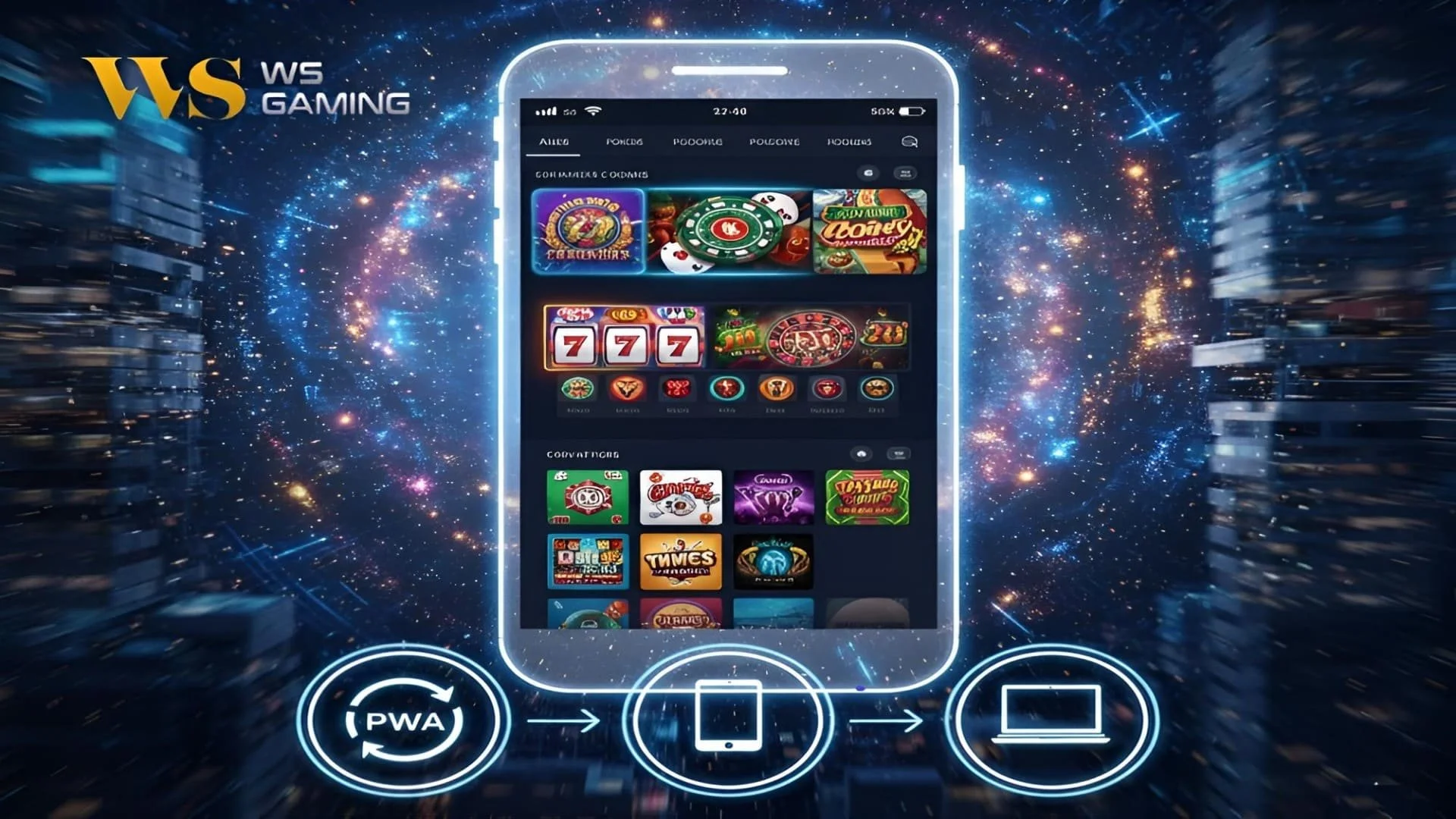
Given that the vast majority of betting now occurs on smartphones, responsive and flawless mobile UI/UX is mandatory. A poor mobile design—where buttons are too small, pages load slowly, or navigation is cumbersome—will send a player straight to a competitor. A customized approach ensures the platform is optimized for seamless play across all devices, crucial for global iGaming platform success.
3. Player Engagement and Gamification
Advanced iGaming UI/UX goes beyond simple navigation. It incorporates engagement features like:
Gamification: Customized loyalty bars, progress trackers, and achievement notifications that encourage continued play.
Personalization: Dashboards that display a player’s favorite games and unique, targeted bonus offers.
Performance: Extremely fast loading speeds and minimal lag, which are crucial for the real-time nature of Live Casino and sports betting products.
Strategic Investment for Long-Term Value
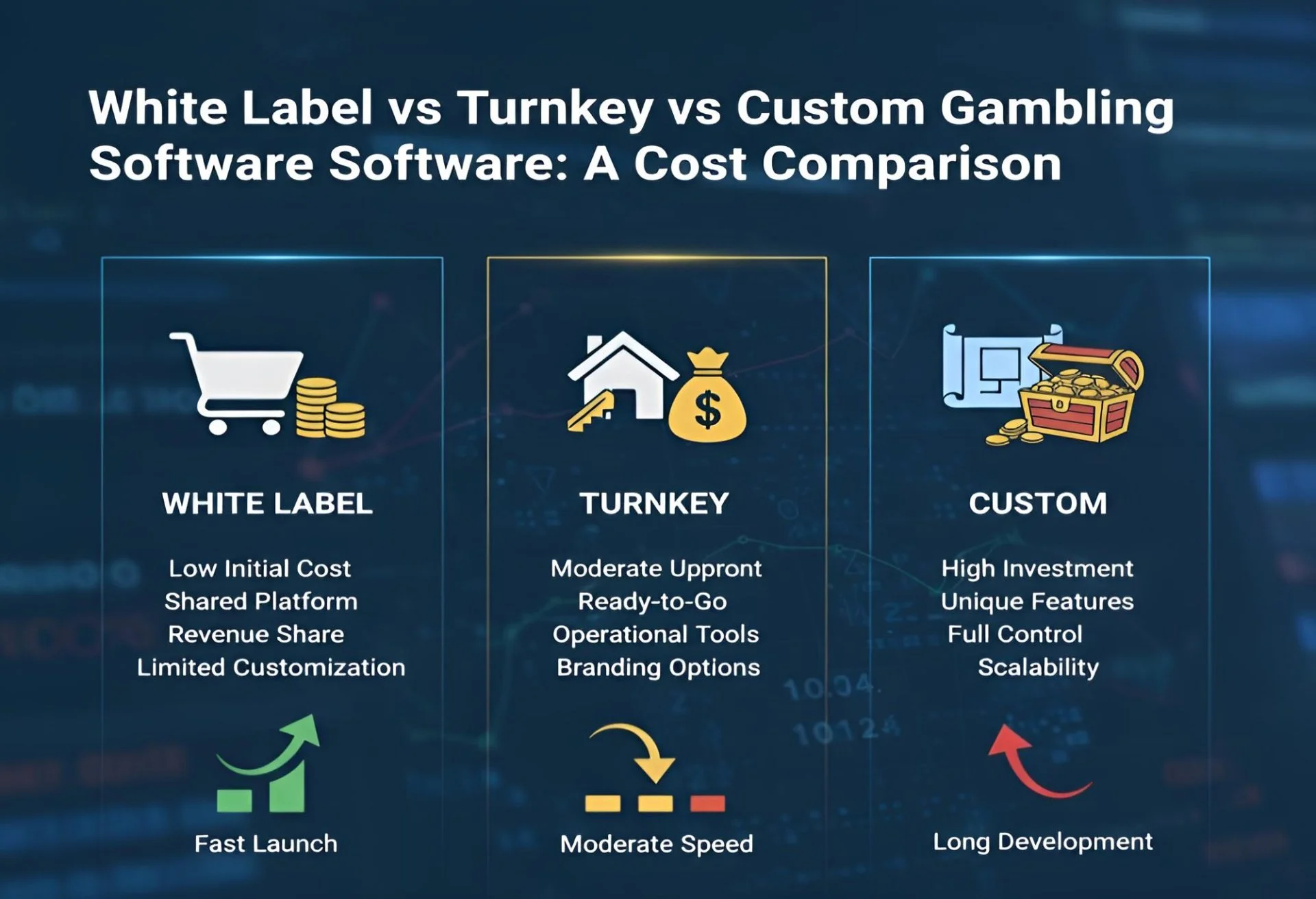
For operators launching with a white label iGaming solution, the limited initial cost is a major benefit. However, the investment in a dedicated custom UI/UX design and strong branding transforms the solution from a temporary fix into a scalable, long-term asset. While the core features—like the iGaming software development backend, licensing, and payment integrations—are provided by the vendor, the customized front-end is what establishes brand equity, drives word-of-mouth marketing, and ultimately increases the crucial player Lifetime Value (LTV), making it a truly smart iGaming business strategy.
In a market defined by intense competition, those who prioritize a unique visual identity and a flawless player journey will be the ones who successfully convert pre-packaged technology into a category-leading brand.
Frequently Asked Questions (FAQ)
Custom branding is crucial because it differentiates a new operator from the many others using the same underlying white label technology. It builds immediate visual trust, enhances brand memorability, and increases the effectiveness of marketing efforts, directly impacting user conversion rates and long-term player loyalty.Custom branding is crucial because it differentiates a new operator from the many others using the same underlying white label technology. It builds immediate visual trust, enhances brand memorability, and increases the effectiveness of marketing efforts, directly impacting user conversion rates and long-term player loyalty.
The main role of UI/UX design is to ensure a seamless and intuitive player journey. Good UX minimizes friction during key actions like registration and deposit, facilitates easy game discovery, optimizes the mobile UI/UX experience, and drives player engagement, which is vital for player retention and increasing Lifetime Value (LTV).
While a standard white label launch is very fast, adding a deep layer of custom UI/UX design will naturally extend the timeline for the final deployment. However, this slight delay is generally accepted as a necessary strategic investment to ensure the final product is highly competitive and built for long-term success, rather than just a fast launch.
Strong custom branding creates an emotional connection and a recognizable identity. When a player has a positive experience, the unique theme, mascot, or visual style of the brand makes them more likely to remember it and return, especially when supported by branded loyalty programs and personalized offers built into the UI/UX design.
Customization usually includes the logo, color schemes, font choices, overall website theme (thematic graphics and backgrounds), unique promotional pages, and the flow/layout of the lobby and cashier pages. High-tier white label solutions customization may also allow for proprietary gamification features and bespoke front-end functional elements.
Absolutely. A custom-branded white label solution is significantly more cost-effective than building an iGaming platform from scratch. The core costs of iGaming software development, licensing, payment integration, and regulatory compliance are handled by the vendor, leaving the operator to focus their investment primarily on the customized front-end and marketing.