Choosing the technology partner to power your online sportsbook is arguably the most critical decision your business will ever make. It is an investment, a strategic partnership, and the very foundation of your operation. Failure to conduct thorough due diligence can lead to crippling downtime, regulatory fines, and irreparable damage to your brand reputation.
Moving beyond basic feature comparisons, this ultimate checklist is organized into four strategic pillars, ensuring you select not just a vendor, but a true technological partner that delivers world-class, compliant Sports Betting Software.
Technical Foundation and Core Features
The engine of your betting business must be fast, robust, and feature-rich. This pillar focuses on the elements that directly impact user experience and the platform’s stability.
1. Scalability, Performance, and Uptime
The modern sports calendar is defined by peak traffic moments—the World Series, the FIFA World Cup, or a major UFC event. Your software must not just handle these spikes; it must maintain near-zero latency when hundreds of thousands of users are placing last-second in-play bets simultaneously.
- Architecture: Ask about the underlying infrastructure. Is it built on a scalable, cloud-based framework (AWS, Azure, Google Cloud)? Does the provider offer a guaranteed Service Level Agreement (SLA) for uptime, typically 99.9%? Any provider that can’t demonstrate high-availability architecture is a major risk.
- Speed: Latency in live betting is a revenue killer. The system must process real-time data feeds and recalculate odds instantaneously. This speed is a hallmark of premium Sports Betting Software.
2. Market Depth and Coverage
A modern sportsbook cannot survive offering just major sports. It needs breadth and depth to attract and retain a global audience.
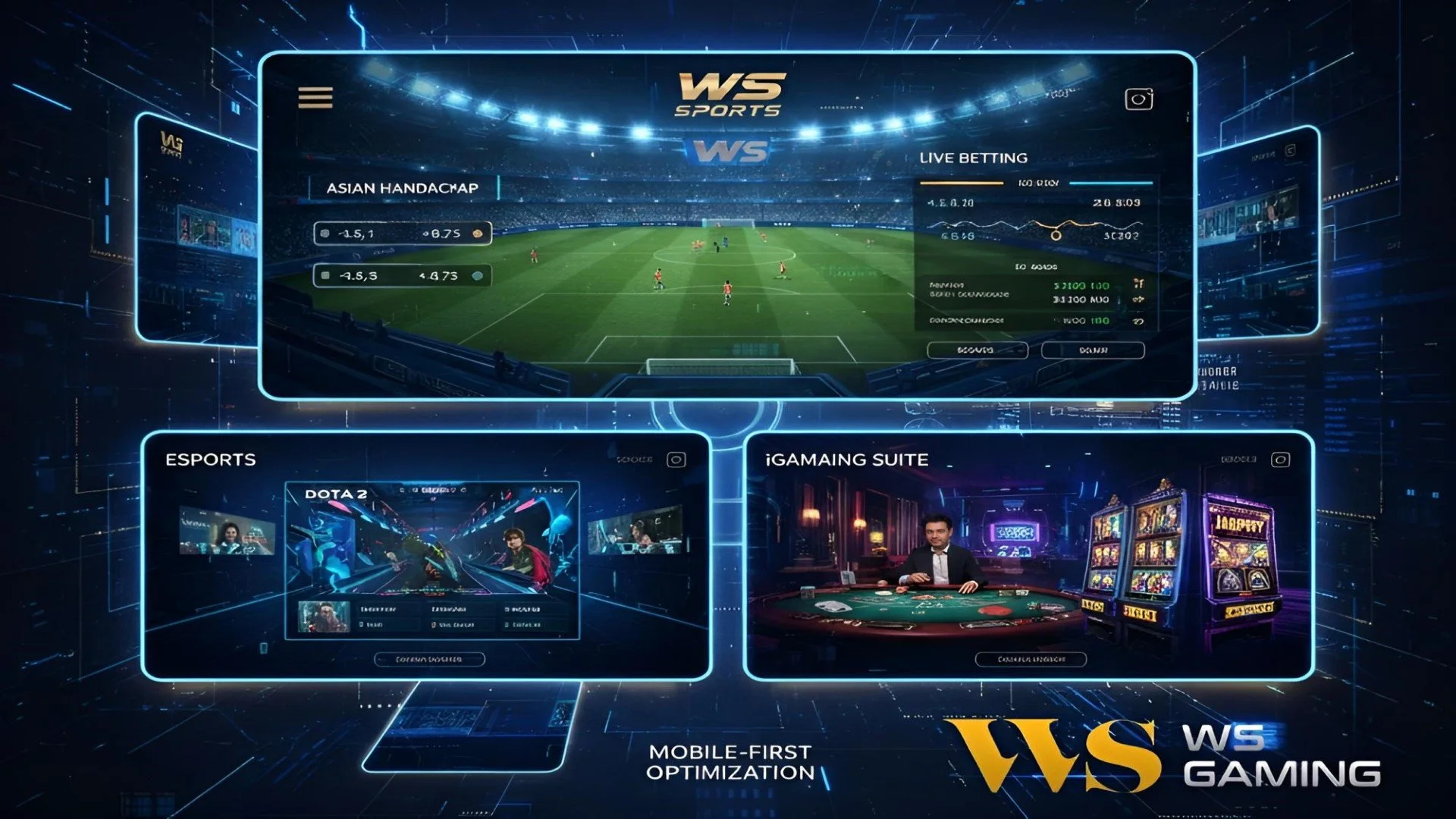
- Breadth of Sports: Ensure the platform covers the core money-makers (Soccer, Basketball, Football, Tennis) but also niche markets like darts, volleyball, greyhounds, and the ever-growing esports sector.
- Depth of Markets: This refers to the variety of bet types offered within a single game. Look for complex options like Same Game Parlays (SGP), Player Props, Asian Handicaps, and Futures. A robust set of offerings shows the sophistication of the bookie software.
3. Dynamic Betting Features
These are the engaging tools that differentiate a basic platform from a top-tier betting experience:
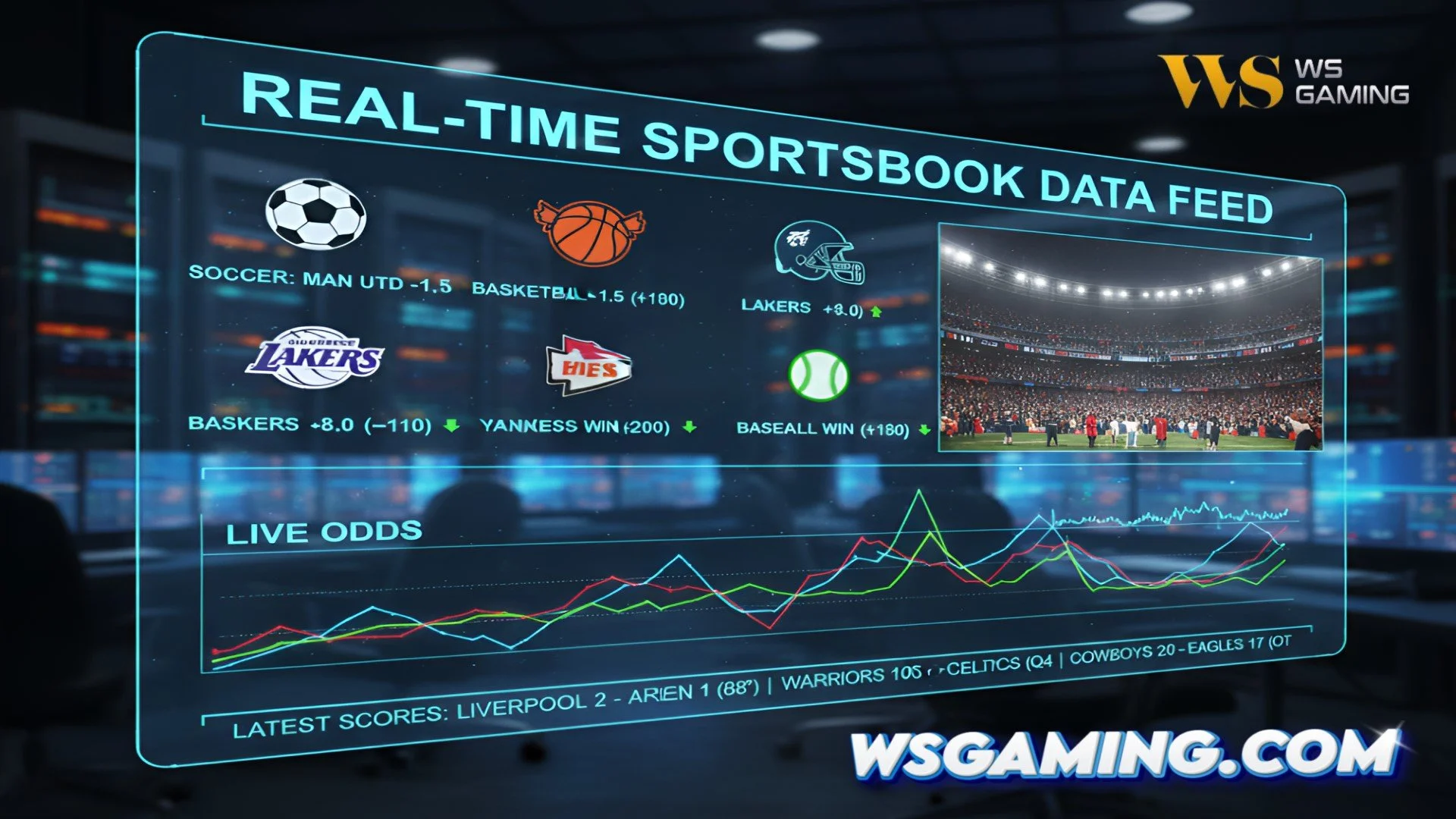
- Real-Time Live Betting: This requires flawless integration with premium data feed suppliers (like Sportradar or Genius Sports) to ensure odds are dynamic and accurate as events unfold.
- Bet Management Tools: Non-negotiables include customizable Cash Out options (full and partial), and Bet Builder tools that allow users to create complex multi-leg wagers within a single event.
Security, Compliance, and Risk Management
This is the governance pillar—the factor that determines long-term viability and prevents catastrophic financial and legal failures. In the regulated world of iGaming, compliance is non-negotiable.
1. Regulatory Compliance and Licensing
Operating in regulated markets is complex, with rules changing constantly. Your provider must be your shield.
- Jurisdiction Experience: Does the provider have existing clients in your target markets (e.g., US states, Malta, UK, Curacao)? They must hold the necessary B2B licenses to supply gambling solutions in those regions.
- KYC and AML Tools: The software must have built-in, automated Know Your Customer (KYC) and Anti-Money Laundering (AML) checks. This includes instant identity verification and continuous transaction monitoring to flag suspicious activity, ensuring the integrity of your operation.
- Responsible Gaming (RG): The platform must include robust, easily accessible RG tools: self-exclusion registers, deposit and loss limits, and time-out features—all mandatory elements in heavily regulated environments.
2. Security and Data Protection
Given the sensitive financial and personal data handled, security is paramount for a successful online bookie software system.
- Encryption and Audits: Look for industry-standard safeguards like SSL/TLS encryption, PCI DSS compliance for payment processing, and regular third-party security audits (e.g., ISO 27001 certification).
- Fraud and Anti-DDoS: The provider must demonstrate effective measures against fraud, bonus abuse, and Distributed Denial of Service (DDoS) attacks that could bring down the platform during peak events.
3. Advanced Risk Management Engine
The heart of every profitable bookmaker is its ability to manage risk. You need a provider whose tools are sophisticated enough to protect your margins.
- Automated Trading: The system must use algorithms to set, adjust, and suspend odds automatically. This protects the operator from sharp bettors and manual error.
- Limit Management: Look for customizable tools that allow you to set specific bet limits based on the user profile, event type, or risk exposure, providing complete control over your liabilities. The best Sports Betting Software gives the operator, not the system, the final say on risk.
Business Support and Partnership Model
A software provider is a long-term partner whose commitment to your success should match their technical delivery.
1. Reputation and Industry Track Record
Due diligence should extend far beyond the sales brochure.
- References and Case Studies: Request live references from operators in similar markets or of a similar size to yours. Investigate their history of system outages, and check for industry awards and positive client testimonials. A provider with a proven, positive track record offering world-class gambling solutions minimizes risk.
- R&D Investment: The iGaming industry evolves rapidly. Assess the provider’s roadmap and how much they invest in Research and Development. Are they ahead of the curve in integrating new technologies like AI-driven personalization or new payment methods?
2. Customer Support and SLAs
When a critical server issue arises during a major sporting event, you need immediate, expert support.
- 24/7/365 Operator Support: Demand round-the-clock technical support for operators, not just for end-users. Clarify the guaranteed response and resolution times (SLAs) for different severity levels.
- Dedicated Account Management: Ensure you will be assigned a dedicated account manager who understands your specific business needs and market challenges.
3. Integration Capabilities and Flexibility
No single platform does everything perfectly. You must be able to integrate best-in-class third-party tools.
- API Quality: A provider of high-quality Sports Betting Software must offer well-documented, open, and resilient Application Programming Interfaces (APIs). This is essential for integrating your preferred payment processors, analytics platforms, affiliate management systems, and specialized game providers.
- Customization vs. White-Label: Understand the degree of customization offered. While White-Label offers speed-to-market, a Turnkey or custom solution offers far greater control over branding, features, and intellectual property. The flexibility of the provider to support your choice is key.
Back Office and Monetization Tools
The final pillar focuses on the tools that manage the money, analyze performance, and drive player retention and profitability.
1. Analytics and Reporting Suite
Profitability hinges on data-driven decisions, not guesswork.
- Real-Time Data Access: The back-office system must provide real-time dashboards detailing key performance indicators (KPIs) like Gross Gaming Revenue (GGR), Net Gaming Revenue (NGR), player value, and margin across different sports and bet types.
- Custom Reporting: The system needs the flexibility to generate custom reports for both operational management and regulatory reporting purposes. Comprehensive analytics provided by the best bookie software allow you to fine-tune your offering.
2. Payment and Currency Flexibility
Your ability to convert and retain players is directly tied to your payment options.
- Diverse Payment Gateways: The platform must support a wide array of payment methods, including credit/debit cards, e-wallets (Skrill, Neteller, PayPal), bank transfers, and, increasingly, cryptocurrencies, essential for targeting specific demographics.
- Multi-Currency/Multi-Language: Essential for a global brand, the software must handle multiple currencies and offer multi-lingual support on both the front-end and the back-office. This breadth of service is a hallmark of truly international gambling solutions.
3. CRM and Player Segmentation
To maintain a profitable player base, you need personalized engagement tools.
- Flexible Bonus Engine: The back-office must allow for the creation, testing, and deployment of complex promotions (e.g., risk-free bets, odds boosts, loyalty rewards) targeted at specific player segments.
- Player Segmentation: The ability to group players based on activity, deposit size, or preferred sport allows for highly personalized marketing messages that maximize player lifetime value.
Conclusion
The selection of your Sports Betting Software defines your market ceiling. It is a strategic procurement process where technical specifications must be balanced against operational realities and long-term partnership vision. By meticulously applying this 4-Pillar checklist—scrutinizing performance, demanding ironclad compliance, verifying reputation, and evaluating monetization tools—you move from simply purchasing software to securing a strategic alliance. Your adherence to these standards is the single most important action you can take to ensure the stability, growth, and profitability of your iGaming venture with wsgaming.