The modern betting platform is a sophisticated piece of technology that manages billions in transactions and millions of data points daily. The best sportsbook betting software integrates a core set of features that address the needs of both the operator and the end-user.
1. Advanced Live & In-Play Betting Engine (Low-Latency)
This is the heartbeat of any successful Sportsbook API. Top-tier software must feature a low-latency odds engine capable of updating odds instantly—milliseconds matter. It must handle tens of thousands of live events monthly across a vast array of sports and eSports, offering advanced betting options like micro-betting (betting on the next play or possession) and real-time statistics visualizations to keep the user engaged during the game.
2. Comprehensive Risk Management and Fraud Detection
Profitability hinges on controlling liability. A superior sportsbook betting software includes an automated risk management module that monitors betting patterns in real-time. This system should:
- Set Dynamic Limits: Automatically adjust betting limits for specific users or markets based on liability exposure.
- Detect Suspicion: Flag unusual betting patterns, syndicates, and potential bonus abuse or fraud, acting as the operator’s central defense mechanism.
3. Hyper-Personalization and AI-Driven Promotions
Generic offers are ignored in 2025. The software must leverage AI and machine learning to analyze user behavior (favorite teams, bet size, preferred markets) to deliver a hyper-personalized experience.
- Tailored Content: Show personalized betting suggestions (“You may like this parlay…”).
- Smart Notifications: Send push notifications for a user’s favorite team starting a game or a specific bet hitting a threshold.
- Custom Bonus Engine: Allow operators to create intricate, behavior-triggered promotions, essential for a competitive white label betting site.
4. Seamless Multi-Channel Mobile-First UX
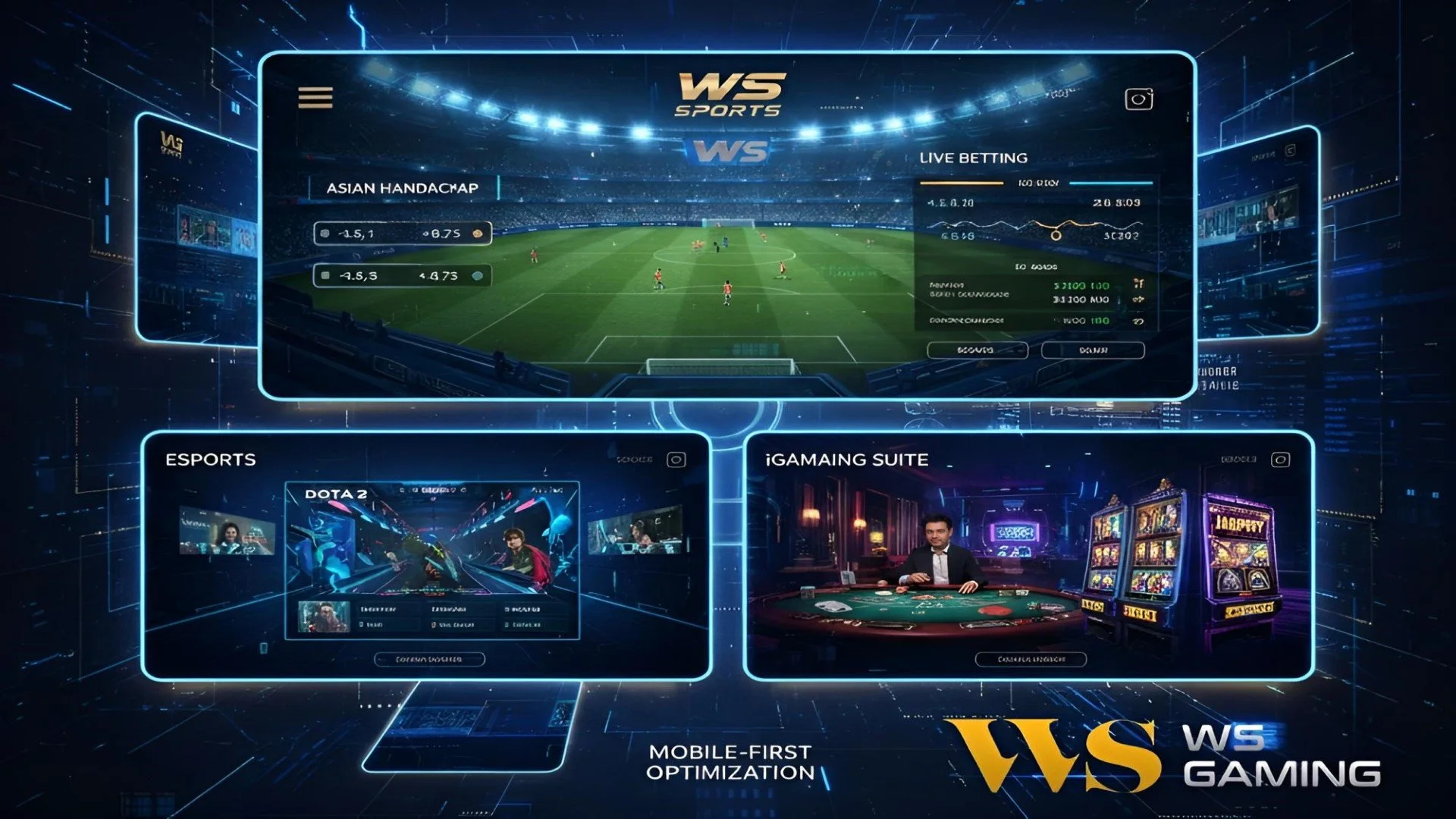
With over 70% of bets placed on mobile, the user experience (UX) must be flawless. A top-tier sports betting solution is built mobile-first, providing a responsive design that adapts instantly to any device.
- Intuitive Navigation: Simple, fast bet-slip creation and clear navigation are vital for high conversion and retention.
- Dedicated App Support: Beyond a responsive web view, the software must support high-performance native mobile applications for iOS and Android.
5. Multi-Currency and Crypto Payment Gateways
Global reach requires flexibility. The sportsbook betting software must support a wide range of fiat currencies and integrate popular local payment methods for each target market. Crucially for 2025, robust, secure integration for cryptocurrencies (Bitcoin, Ethereum, stablecoins) and a split-wallet system are now standard features.
6. Integrated Cash-Out and Bet Builder Features
These user-facing features are now essential for driving bet volume and engagement.
- Instant Cash-Out: Allows bettors to settle a wager before the event concludes to lock in a profit or minimize a loss. The system must calculate the cash-out value in real-time.
- Custom Bet Builder: Enables users to combine multiple selections from the same game into a single parlay, greatly increasing the operator’s margin and user customization.
7. Regulatory Compliance (AML/KYC) and Responsible Gaming Tools
Operating legally demands stringent compliance tools embedded directly into the sports betting solution.
- Automated KYC/AML: Systems for know-your-customer (KYC) verification and anti-money laundering (AML) checks that automate the player onboarding process while meeting jurisdictional requirements.
- Responsible Gaming: Built-in tools for mandatory deposit limits, spending caps, self-exclusion, and reality checks are necessary for legal operation globally.
8. Comprehensive Back Office Management System
The operator needs a powerful engine room. The back office for a sports gambling software must provide granular control over every aspect of the platform.
- Content Management: Easy-to-use tools for adding or removing sports, leagues, and bet types.
- CRM & Reporting: Advanced analytical dashboards that track key performance indicators (KPIs) like Gross Gaming Revenue (GGR), Customer Lifetime Value (CLV), and player activity in real-time.
9. Real-Time Data Feeds and Odds Compilation
The platform relies entirely on high-quality, low-latency data. The software must integrate with premium third-party data providers (e.g., Sportradar, Genius Sports) to guarantee the accuracy and speed of odds. The odds compiler must allow the operator to customize margins and offer localized odds tailored to regional betting preferences.
10. Live Streaming and Match Visualizations
To maximize in-play betting, the platform needs to keep the user engaged without forcing them to leave the site.
- Live Streaming Integration: Where rights are secured, directly embedding a low-latency video player into the sports betting software.
- Match Trackers: For events without live video, the software provides a dynamic, real-time graphical visualization of the game’s action, ensuring users can follow the play as they bet.